Self-hosted · one-time license
Sprint planning and task management you run on your own infrastructure. No Docker cluster required, no per-seat bill, no vendor holding your data hostage.

Founder note
This is the Froiden team who use Spryn every day. I've been building software out of Jaipur for 12 years. We got sick of paying for Jira and fighting its complexity for our own team, so we built Spryn for ourselves first. It's been running our own sprints for 2+ months now. — Abhinav
What you get
Intent, capacity, commitment, and close — one tool around the sprint cadence.
Bring your own key. Works fully air-gapped when you need it — AI is optional, core sprint features run without outbound network access.
Blockers and risk surfaced before the meeting, not during it.
Schedule modules and tasks across week, month, or quarter — with team load visible on the same surface.
Pay once. Add teammates without invoice creep.
Sprint data stays on your infrastructure. You control retention and access.
AI is optional and BYOK — connect your own OpenAI, Anthropic, or Google Gemini key, or leave it off entirely. When enabled, Spryn drafts sprint plans and surfaces what is ready to pull in next.
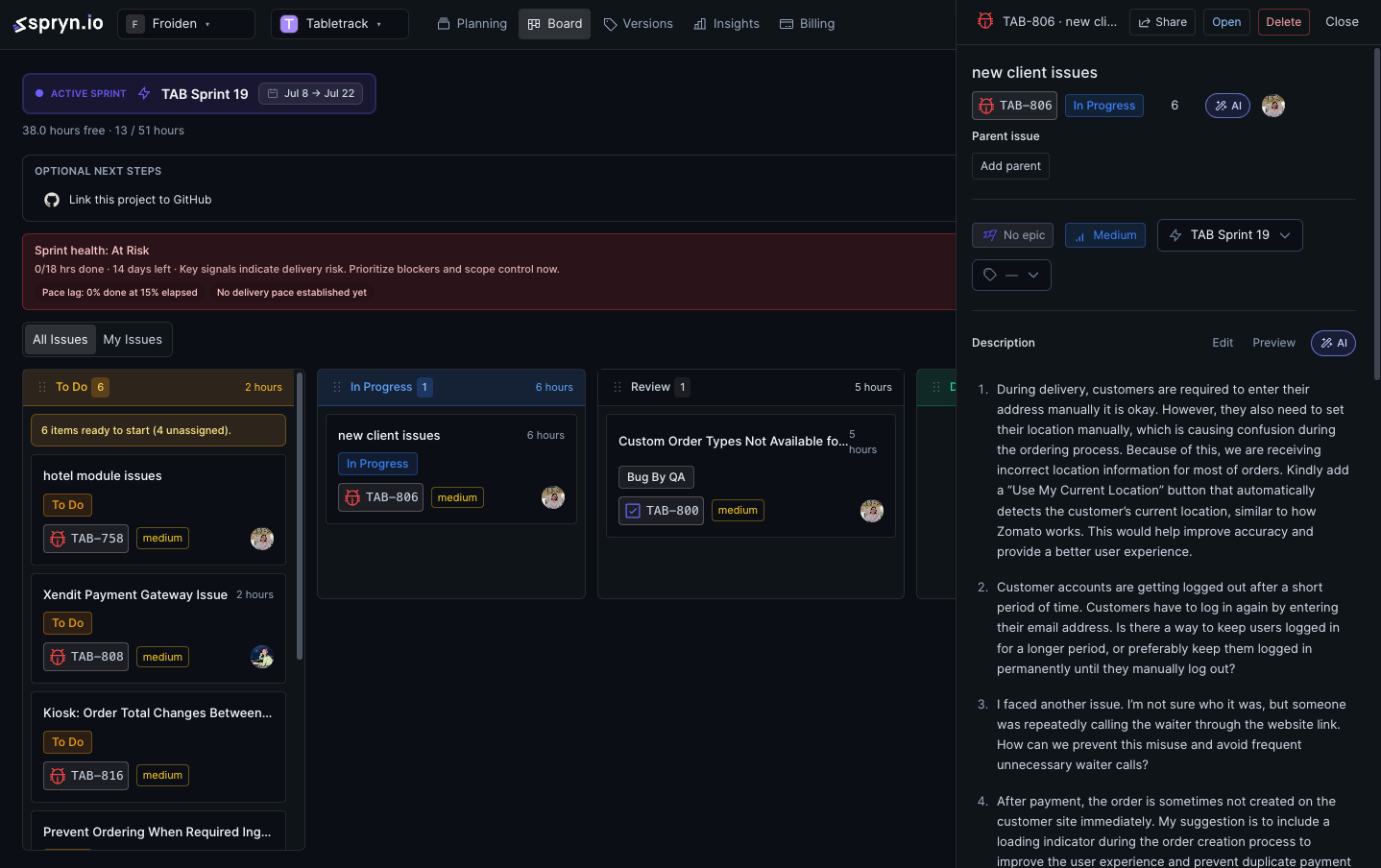
Ready for next sprint — AI suggestion based on velocity and capacity.
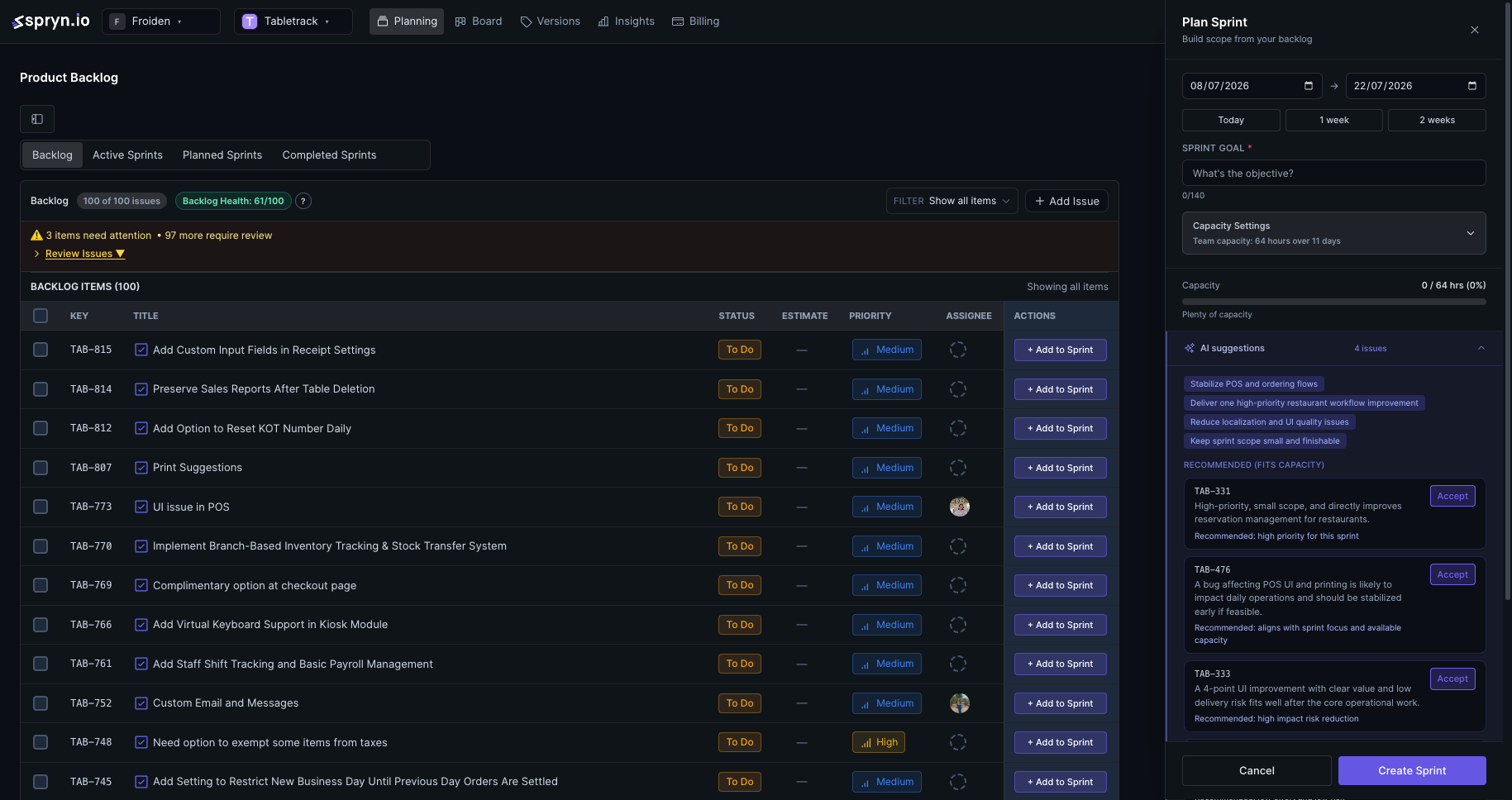
Ready for next sprint — AI suggestion based on velocity and capacity.
From a running instance
Issue detail — AI assists on descriptions, acceptance criteria, and child issues.
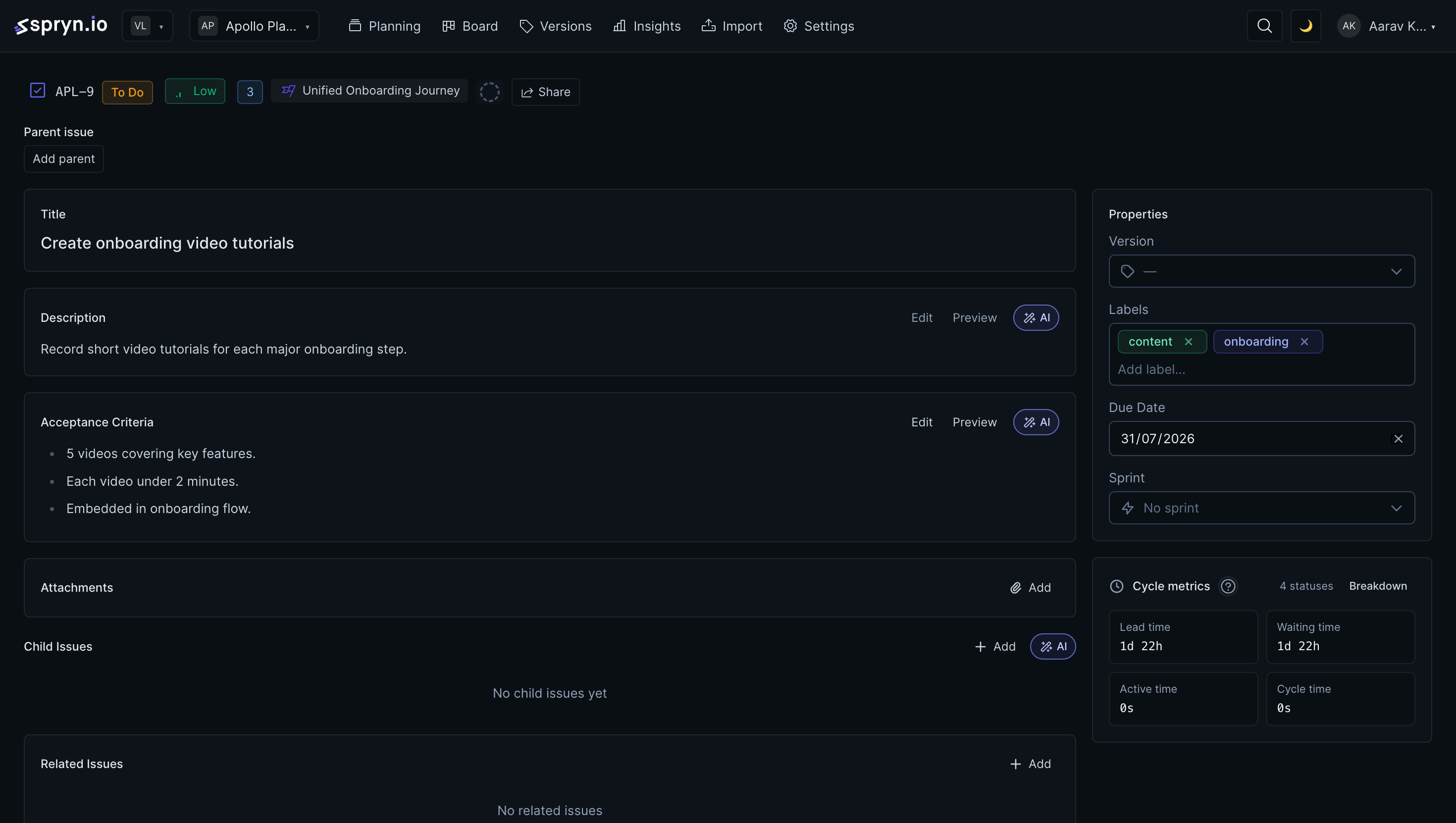
Issue detail — AI assists on descriptions, acceptance criteria, and child issues.
Timeline — schedule and capacity across week, month, or quarter.
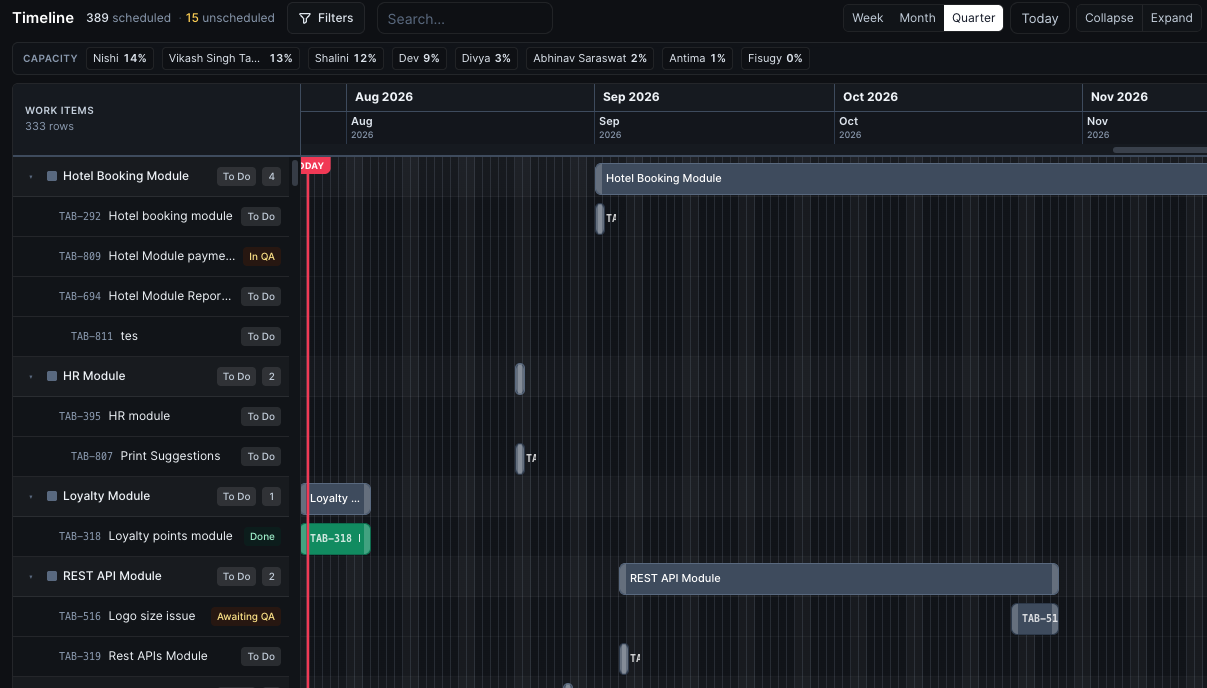
Timeline — schedule and capacity across week, month, or quarter.
What buyers say
tarungoud7 · 5-star review"Abhinav is super amazing to deal with! He is incredibly fast with support requests, listens carefully to user feedback, and implements updates very quickly. Spryn has massive potential and could easily become the next best Jira alternative for small teams that just need a clean, minimal tool to get things done."
Self-hosted pricing
$99
One-time license. Unlimited seats. Your server.
Buy SprynSee full self-hosted pricing details →
Prefer monthly and managed? See cloud pricing →
What it takes to run Spryn:
Prefer we handle it? Add installation (+$30) or server setup (+$20) at checkout.
FAQ
Yes. Core sprint planning and task management run with zero outbound network access. AI features are fully off by default — with no API key configured, Spryn makes zero outbound calls. AI only activates if you explicitly add your own OpenAI, Anthropic, or Google Gemini key.
One click. Spryn has a built-in 1-click update that upgrades the app in place. We always recommend taking a backup before updating.
Your license and updates keep working forever, free. Support is renewable for a fee after year 1 if you want continued help — but nothing stops working, and updates never require a renewed plan.
Yes. Export your data in CSV format, anytime — no lock-in, no approval process.
Branding, SMTP (with test email), storage (local or cloud), auth, AI, and notification settings — all from the deployment admin. See the full capability list for details.
2 CPU cores, 4GB RAM, 20GB storage minimum. Image size is under 2GB.
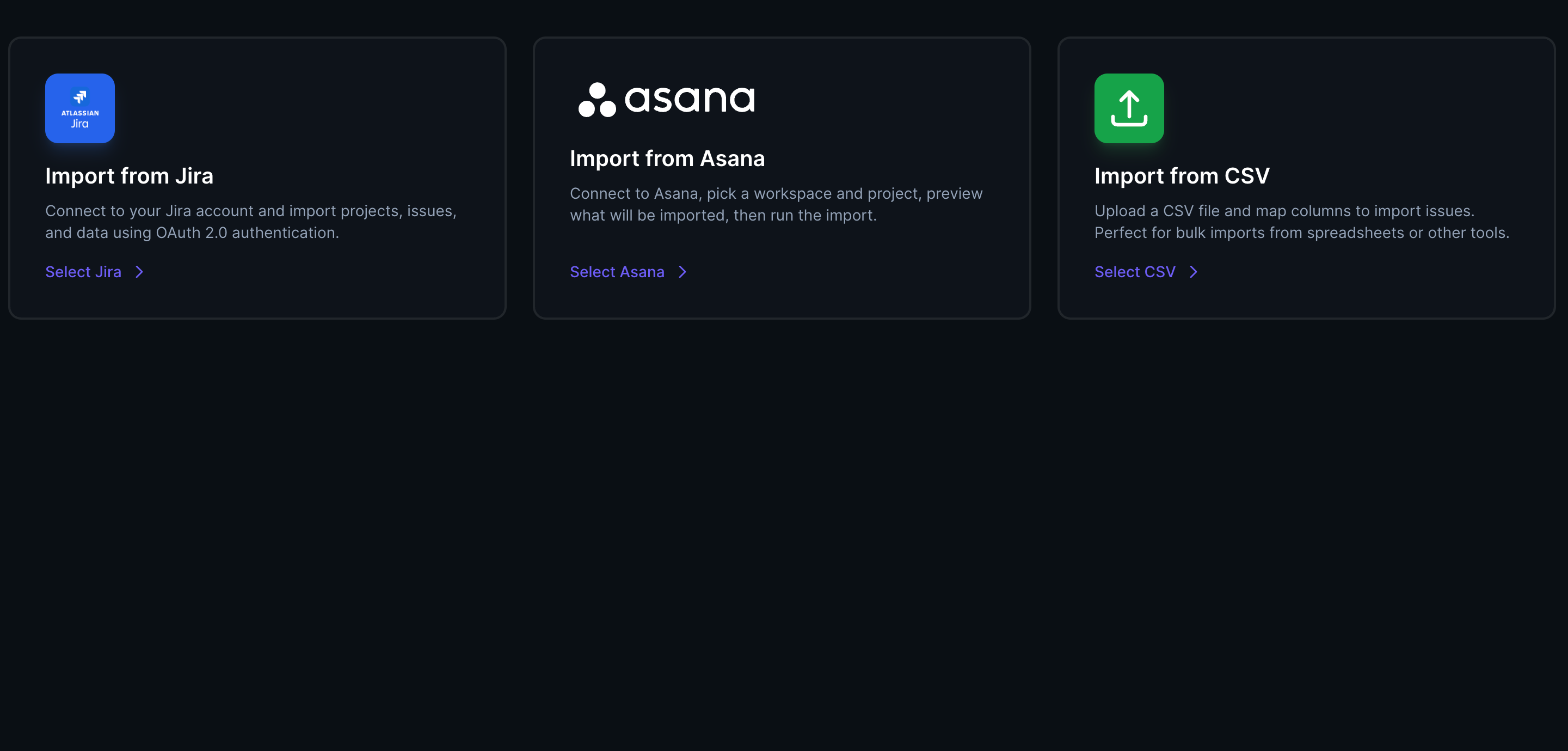
Yes. Spryn has a native Jira importer built in — OAuth-based, with preview before import. Connect your Jira account from the Import screen, pick a project, preview, and pull your backlog over. See the import screenshot above.
No. Spryn installs through your browser — fill in a short setup form and you're running in about 10 minutes. No containers, no cluster, no DevOps background required.
The product overview covers how execution works. The full capability catalog — workspaces, issues, standups, reports, AI, integrations, auth, and admin — is at /product/features.
Both, depending on which half you care about. The planning side — capacity, commitment, sprint health, close — is covered at /sprint-planning-software. The wider delivery loop, including backlog, timeline and reports, is at /agile-project-management-software.
Both. Run fixed-length sprints with capacity and commitment, or work continuously off the execution board. Sprint length, estimation scale and ceremony schedule stay yours — see /agile-project-management-software for how the two modes sit together.
Decide where it runs and how it is billed first — that removes most of the shortlist before you compare features. /jira-alternative walks through the realistic options, including the cases where Plane, OpenProject, Linear or staying on Jira Cloud is the better call.
Three deeper pages sit behind those answers: sprint planning software covers capacity, commitment and sprint close in detail, agile project management software covers the full delivery loop — backlog, boards, timeline and reports — on your own server, and which Jira alternative fits your team compares the realistic options side by side.